GEB Survey: Dramatic Changes in Energy Consulting
New Building Modernization Act and AI are shaping the industry
Source: geb-info.deBriefly summarized
Polyurethane-based spray foam insulation: energy-efficient, airtight, and durable – applied in a single step, with no cutting and no thermal bridges.
From the roof ridge to the basement ceiling: scroll through the house and see where spray foam shows its strengths.
The foam fills every rafter bay seamlessly – with no cutting, no stuffing required. For optimal thermal insulation, energy savings, and better summer heat protection.
Seamless insulation for maximum energy efficiency – as cavity-wall insulation in double-leaf masonry or full-surface in timber-frame construction. The foam bonds directly to the component and closes every joint.
Sound and thermal insulation in one step: the open-cell structure absorbs airborne sound, fills service cavities without settling, and noticeably reduces noise between living units.
Basement ceiling and floor insulation with closed-cell foam: protection against moisture, heat loss, and mold growth – pressure-resistant and unaffected by dampness.
Spray foam doesn't just insulate – it seals. The closed building envelope reduces drafts, improves indoor air quality, and often makes separate airtightness layers unnecessary.
Polyurethane spray foam combines high insulating performance with a property no rigid insulation board can offer: it conforms to the building component – not the other way around.
Thermal conductivity as low as 0.023 W/(m·K) (EN 14315-1) – slimmer constructions with the same insulation value.
Insulation and air sealing in a single step – without membranes, tapes, or connection details.
The foam fills every geometry seamlessly. No thermal bridges, no material waste.
Several hundred square meters per day – sprayed, cured, and ready for the next step.
Over 50 years of service life – dimensionally stable, settlement-free, and without loss of insulating performance.
Low self-weight, direct adhesion to the substrate – ideal for renovation and existing buildings too.
Required insulation thickness for a U-value of approx. 0.20 W/(m²·K) – typical reference values in centimeters
Closed-cell value according to the PLIXXOPOL® SF 640100 product data sheet (EN 14315-1: Rd 4.80 m²·K/W at 110 mm). Other values are typical reference values – the actual insulation thickness depends on the product, component construction, and verification method.
PLIXXENT develops custom PU systems. Two system families are available for spray foam insulation – depending on the component and requirements.
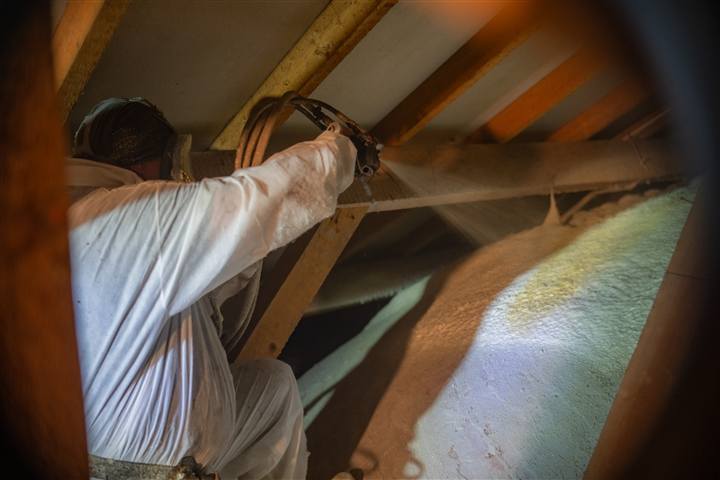 Project Example: Sloped Roof Renovation
Ideal for: sloped roofs, cavity filling, interior & partition walls, service cavities
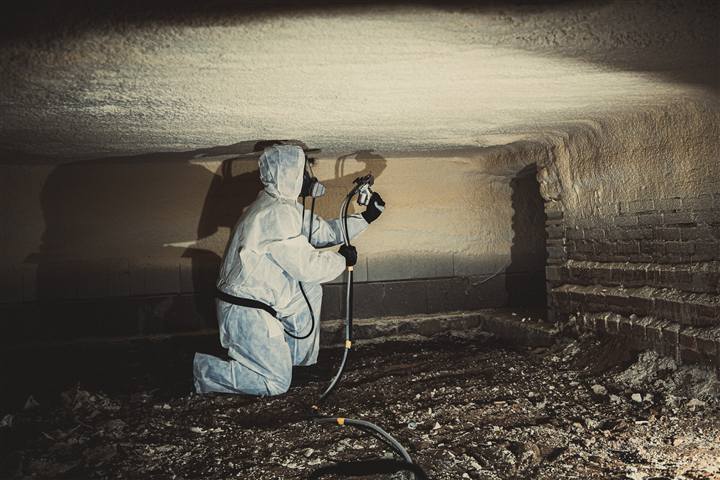 Project Example: Crawl Space Floor Insulation
Ideal for: walls & ceilings, sloped roofs, floors & crawl spaces, flat roofs (with protective layer)
Designed with sustainability in mind: the PUre³ family offers PU systems made from up to 94% reused, recycled, or renewable raw materials – combined with climate-friendly HFO blowing agents.
Click on the points in the house – each component shows its application, benefits, and the right system.
We keep track of developments in insulation, energy efficiency, and building regulations across Europe – and summarize the most important updates for you here, always with a reference to the original source.
New Building Modernization Act and AI are shaping the industry
Nearly half of municipalities consider their plans realistic
77 selected projects receive funding for climate-neutral technologies
77 projects for net-zero technologies receive support
Two updated publications support planners and trade professionals
Customers can now challenge unlawful price increases even later
Additional funds for Efficiency House 55-Plus activate backlog of building projects
Survey shows public buildings considered inadequately protected against heat
95 percent of switchers are satisfied with the technology
How the federal government can increase the effectiveness of the BEG building funding program
Homeowners benefit from higher grants for energy-efficient renovations
Federal Ministry reports significant milestone for energy-efficient renovation
A selection of current news – Status: 2026-10-21
From single-family homes to special constructions: Spray foam systems in practical use – a selection of current projects from the Netherlands.
Insulation between rafters with open-cell spray foam – seamless up to the ridge.
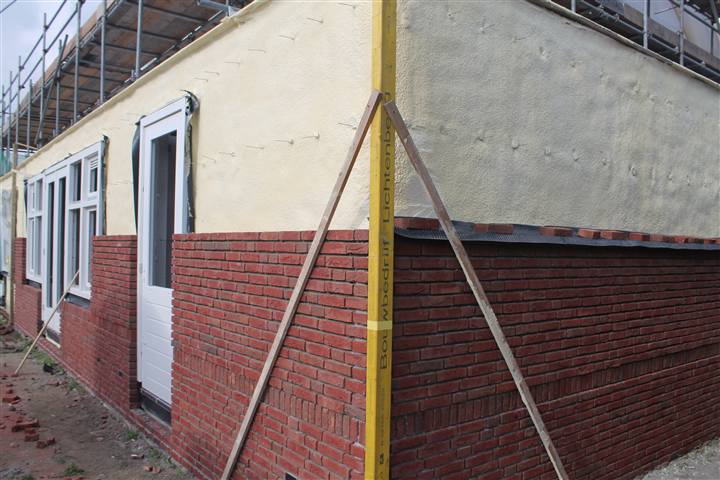
Seamless exterior insulation in new construction – subsequently enclosed with clinker brickwork.
Closed-cell foam from below against moisture, heat loss, and mold.
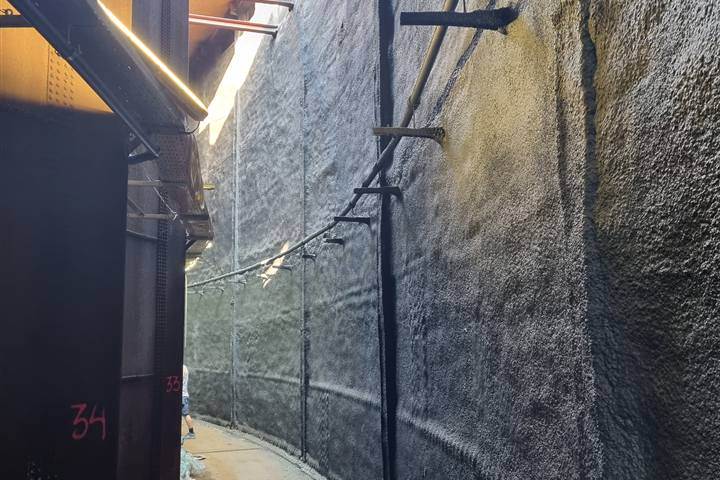
Insulation under an existing steel and masonry ceiling – sprayed directly onto the geometry.
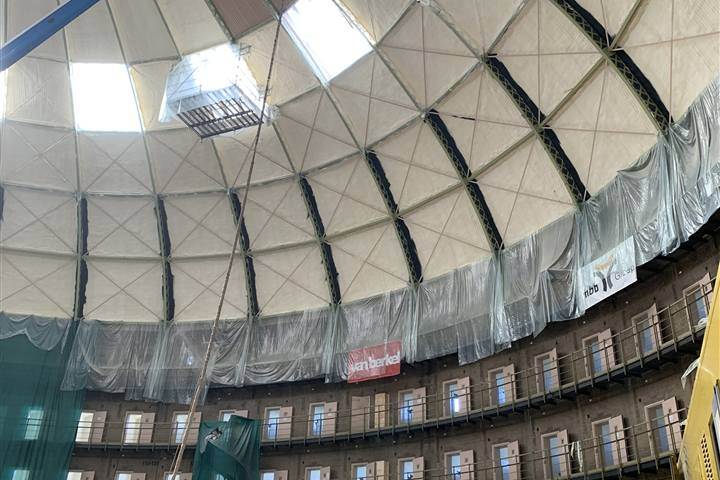
Full-surface insulation of a wide-span steel roof structure during ongoing renovation.
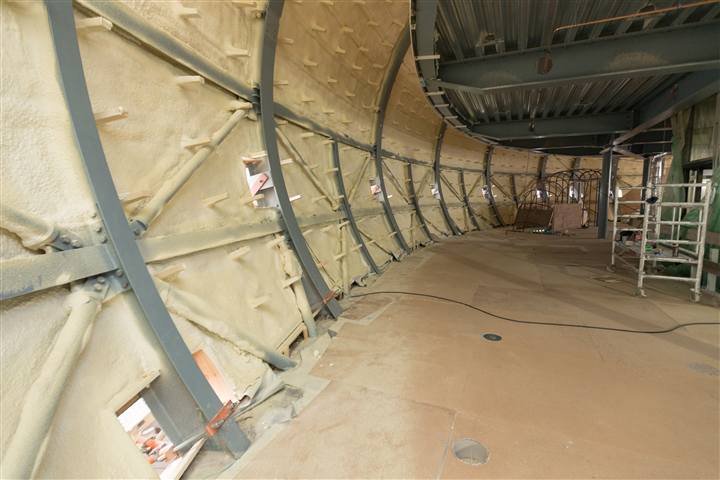
Spray foam follows every shape: Insulation of a double-curved steel shell from the inside.
Our application engineering team supports you from component analysis to system selection – manufacturer-side, collaboratively, and with over 50 years of PU experience.